Lights, Camera, Cure: Exploring the Impact of Cinema on Cancer Awareness and Support
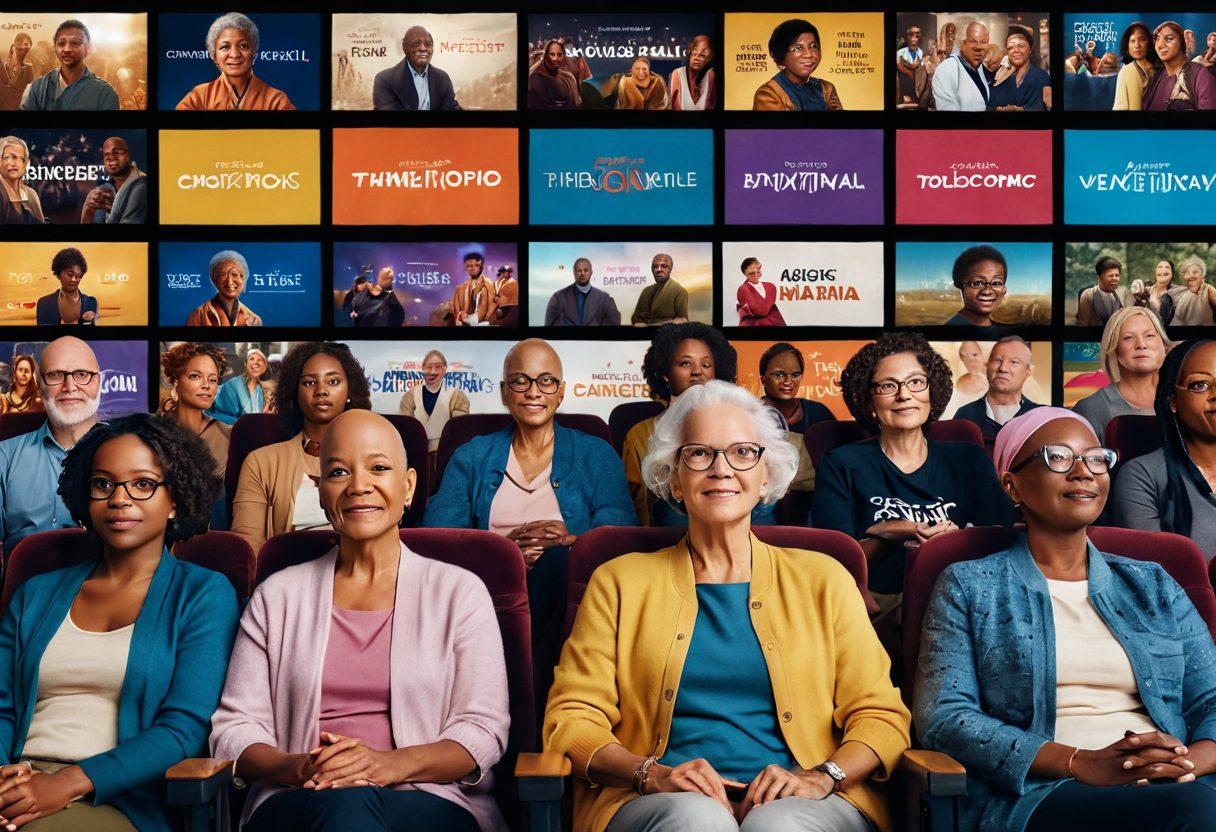
In an age where stories come to life through the lens of a camera, cinema has proven to be more than just a form of entertainment; it has the power to inspire, educate, and, surprisingly, heal. For those who have faced cancer either firsthand or through loved ones, movies often serve as more than just a distraction—they can provide a roadmap through the often murky waters of oncology. Imagine sitting in a darkened theater, immersed in a tale that resonates deeply with your journey, your struggles, and your triumphs over malignancy. This is the magic of film, where reel stories shine a light on cancer journeys, sparking conversation, encouraging cancer awareness, and extending cancer support beyond the silver screen.
From the heart-wrenching portrayal of a character battling carcinoma in ‘The Fault in Our Stars’ to the documentary style of ‘The C Word,’ which sheds light on effective cancer treatment strategies, films have a unique ability to connect emotionally and intellectually. One memorable quote from filmmaker Marisa Tomei captures this sentiment perfectly: "Cinema can be a mirror, reflecting hardships and resilience in a way that informs and engages the audience." With film reviews and discussions around these poignant portrayals, they help demystify the complexities of cancer treatment and the unpredictable path of recovery.
In a world that often shies away from conversations about cancer, storytelling through filmmaking encourages open dialogue. It resonates with the universal truth that, while cancer may affect millions, each individual's experience is unique—holding a different story of struggle, hope, and survival. The film industry has a responsibility and an opportunity to humanize these experiences, prompting viewers to ask questions, empathize with characters, and perhaps understand a little more about their own loved ones embarking on their cancer journey. How does it feel to navigate life with a tumor diagnosis, or to support a friend battling malignancy?
Beyond entertainment, these films drive cancer awareness campaigns and spur passion for cancer research. Organizations often utilize cinematic narratives to reach broader audiences, emphasizing the importance of early detection and innovative treatment options. Imagine the impact of a well-crafted documentary that not only tells an affected person's story but interweaves vital statistics and expert opinions. It can foster a greater understanding within communities, ultimately bringing attention to the need for ongoing support and resources dedicated to battling cancer. These artworks educate and inspire, serving as powerful tools in the wellness movement.
Ultimately, we are reminded that behind every story is a real person with hopes, fears, and dreams. The film industry has the unique ability to shape the way we perceive cancer, transforming it from a stigmatized topic into one that is discussed openly and honestly. By engaging consumers through art and video content, filmmakers can illuminate experiences that many go through in silence. The next time you watch a movie that touches on cancer or the journey of healing, consider how that reel story could amplify the message of cancer support and awareness, sparking the necessary discussions that can provide hope for others.
From Screen to Support: The Power of Cinema in Cancer Advocacy
Imagine sitting in a dark theater, the screen flickering to life as a story unfolds. You’re captivated, not only by the narrative but by its profound message. Cinema has long been a mirror to society, reflecting our collective struggles and triumphs. In recent years, filmmakers have shown a brave willingness to dive headfirst into sensitive subjects such as cancer. Stories of oncology, the battle against tumors and malignancies, resonate on a personal level, raising cancer awareness and providing invaluable cancer support. But how does cinema transition from mere entertainment to a powerful advocate for change?
Engaging narratives in films push us to confront the realities of diseases like carcinoma. Consider the emotional impact of films like 'The Fault in Our Stars' or 'A Walk to Remember', which intricately weave tales of love and loss, drawing viewers into the world of cancer treatment and the struggles of young patients. These cinematic masterpieces not only provoke tears but foster conversations about issues that might otherwise go unspoken. As viewers, we are bound together by the stories of those fighting cancer, igniting a spark of empathy and understanding. Isn’t it fascinating how film can influence our perceptions and encourage action in the real world?
In the film industry, creators often collaborate with healthcare professionals and cancer researchers to ensure authenticity in their portrayals. The result? Credible stories that educate the audience—sharing experiences that enrich our understanding of cancer treatment and support systems. This approach has sparked lively movie discussions in forums and health blogs, further spreading cancer awareness. How can a gripping narrative lead to increased donations for cancer research or inspire community support? The answers lie in the hearts touched by these films. Every perspective shared serves to build a network of hope and resilience.
Stories can also demystify the complexities of cancer. When the spotlight is on brilliant and brave individuals navigating their way through the diagnosis and treatment, it takes away the stigma that often shadows cancer. Each poignant scene depicts the reality faced by many, serving as a reminder that cancer is not just a statistic but affects lives, families, and entire communities. The way cinema portrays the emotional and physical journey, from diagnosis to recovery, can encourage open conversations, and empower viewers to seek cancer support for themselves and loved ones. Isn’t it inspiring to think that a single film can spark a movement?
As we explore these themes within the realm of cinema, it is essential to recognize the impact it has on raising awareness and fostering support. Whether through a heartfelt documentary or a fictional drama, the power of filmmaking extends beyond entertainment; it champions the fight against malignancy and builds a global community of resilience. So the next time you leave a theater, perhaps you’ll take with you more than just a story—you’ll carry a profound understanding of cancer’s impact, a desire to support those in need, and a call to action for change. How will you harness the power of film in your journey toward wellness and cancer advocacy?
Behind the Scenes: Filmmaking's Role in Revolutionizing Cancer Awareness
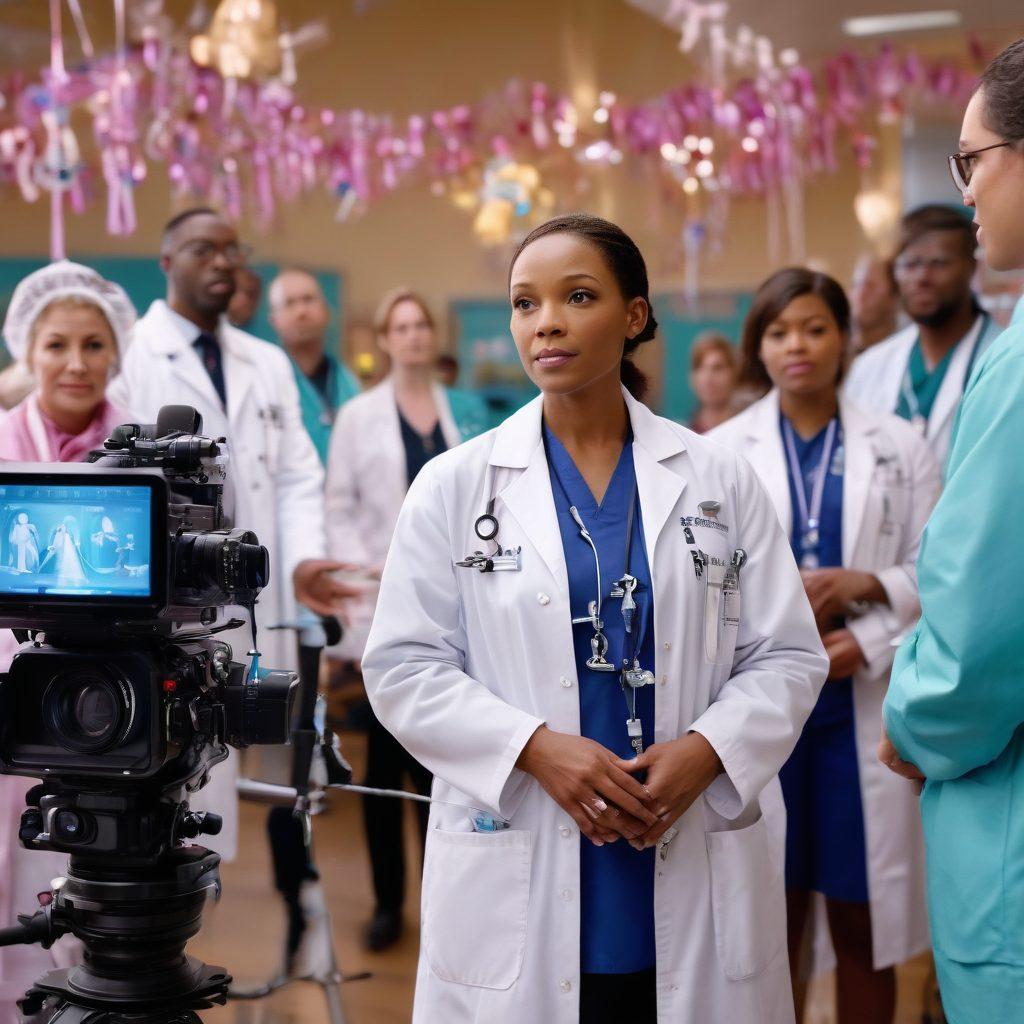
Behind every powerful story told through cinema lies a team of dedicated filmmakers, all working tirelessly to bring a vision to life. In recent years, the film industry has taken on a crucial role in amplifying not just compelling narratives but also pressing issues that hit close to home—such as cancer awareness. Films that bravely depict the struggles of living with oncology-related challenges or narrate the journey of overcoming carcinoma have changed the landscape of cancer support. They have brought to the forefront realities that many might shy away from discussing. Through storytelling, they shine a light on malignancy in a way that textbooks and lectures often fail to do. So let's delve into the profound impact of filmmaking on cancer awareness and how these artistic endeavors are revolutionizing support and research in the health space.
As we explore the intersection of filmmaking and health, one can’t help but wonder, how do these films actually transform perceptions about cancer? It begins with the power of storytelling. Movies that tackle cancer often feature characters who face tremendous adversity, whether battling their own diagnosis or supporting loved ones through treatment. For instance, films like 'The Fault in Our Stars' and 'A Walk to Remember' not only entertain but also educate viewers about the emotional and physical toll cancer can take. Exceptional filmmaking allows us to connect with the characters' experiences, fostering empathy and open channels for discussions about treatments, the importance of screenings, and the latest findings in cancer research. This not only raises cancer awareness but also inspires hope in viewers who might be dealing with similar situations.
Moreover, the film industry has turned to documentary filmmaking to present raw, unfiltered realities behind cancer treatment. Documentaries such as 'Cancer: The Emperor of All Maladies' provide deep insights into the history of cancer research and treatment, illustrating the progress made in oncology over the decades. These films, rooted in factual evidence and powerful narratives, serve as health blogs in their own right—educating the public about various types of cancers, survival stories, treatment breakthroughs, and the importance of mental wellness during a cancer journey. The relatability of these stories encourages individuals impacted by cancer to seek support and share their experiences, further building a community around cancer awareness.
As we consider the nuances in various cancer narratives, film reviews often highlight the filmmakers' intent to initiate conversations. This brings us to the ethical responsibilities of filmmakers: to portray cancer and its effects accurately and compassionately. Can a cinema that engages with serious subjects like oncology also serve as entertainment? Absolutely! Successful films weave humor, resilience, and poignant moments into the narrative, reminding audiences that there is more to life than a diagnosis. The beauty of cinema lies in its ability to pull at heartstrings while simultaneously encouraging viewers to engage in lifestyle changes that promote wellness, such as healthier eating and regular check-ups—conversations that could save lives.
Capturing the essence of the human spirit, cinema provides a multi-dimensional view of cancer through the lens of personal stories. Think about it: Would you rather read about the statistics surrounding tumors, or would you resonate more with a heartfelt tale of someone who faced the battle head-on? Mirroring our own fears, hopes, and challenges, films can empower viewers to take an active role in their well-being and health. The impact is clear; we can use the magic of cinema not just for escapism but for enlightenment. So, the next time you grab popcorn and immerse yourself in a film about cancer, remember that you might be witnessing the fabric of awareness being woven, inviting action in our communities all while being entertained.